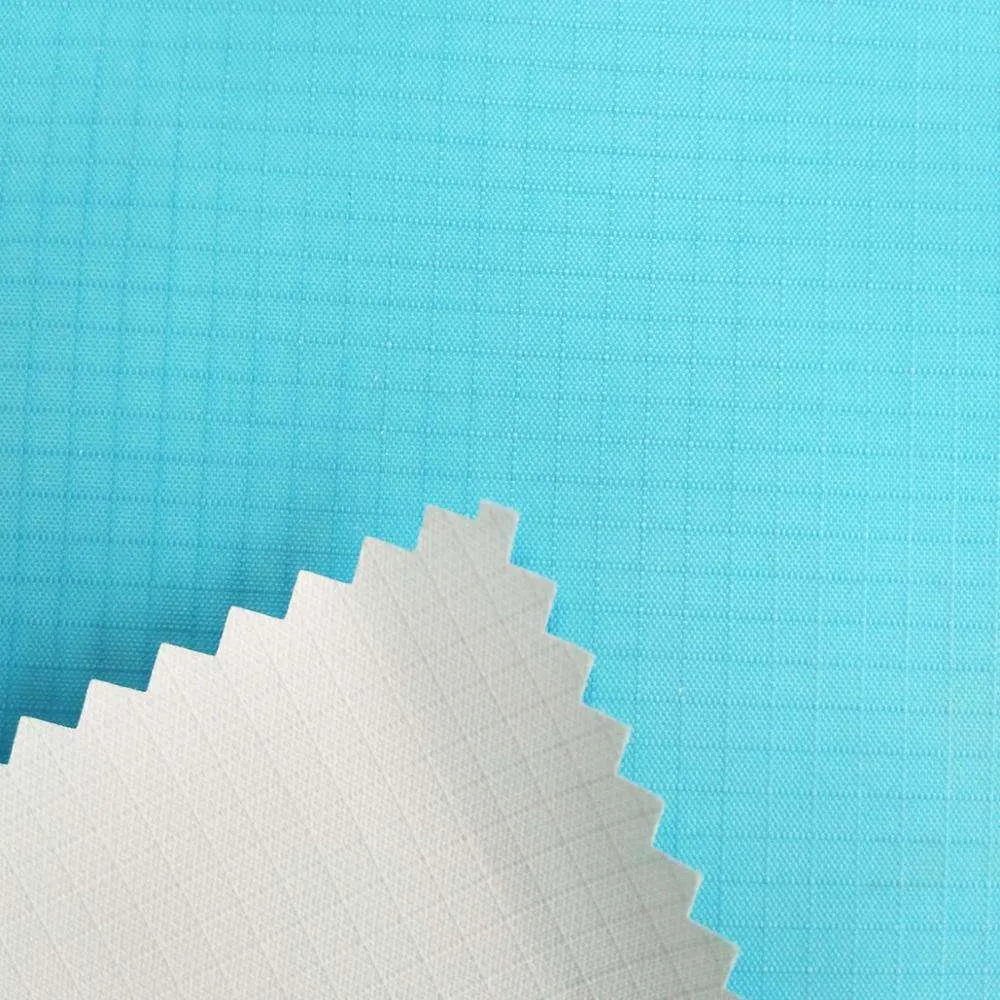
taffeta fabric
Introduction
Polyester taffeta, also known as taffeta silk, is a kind of cooked high-grade silk fabric woven with plain weave. The warp is double-twisted cooked silk, and the weft is combined single-twisted cooked silk. The plain weave is used as the ground, and the fabric has a high density. It is the most compact variety of silk fabrics.
Silk fabric woven from cooked silk. It is divided into plain taffeta, flower taffeta, square grid taffeta, flash color taffeta and purple cloud taffeta. Flower taffeta is a jacquard fabric in taffeta, the ground pattern is plain weave, and the pattern is eight satin weaves. Due to the tight warp density, the pattern is bright and bright, the texture is firm, light and crisp, the color is bright, and the luster is soft, but it is not suitable for folding and pressing. The patterns are generally medium-sized and large-scale, and the patterns are smooth and generous. It is suitable for clothing, umbrella covers and eiderdown covers, etc.
The characteristics of taffeta are that the silk surface is fine and smooth, flat and beautiful, with good luster, the fabric is tight, and the hand feels stiff, but it is easy to produce permanent creases after wrinkling. Therefore, it is not suitable for folding and heavy pressure, and it is usually packaged in rolls.
A silk fabric made of high-quality mulberry silk that has been degummed and cooked in a plain weave. The warp is made of two colored and twisted silks and the weft is made of three colored and twisted silks. The density of the warp and weft is higher and the warp density is greater than the weft density. The fabric weighs about 58 g/m. The silk surface is tight and clean, flat and smooth, and is not easy to be stained with dust. It is often used as outerwear, duvet cover material and high-grade umbrella silk. The disadvantage is that there will be creases after folding and heavy pressure. In addition to the traditional mulberry silk taffeta, doupion silk, spun silk, rayon, nylon silk, etc. can also be used as raw materials to weave various imitation silk taffetas, and silk and cotton can also be interwoven. Fancy varieties include plain color, flash color, grid and jacquard, etc.
The warp and weft threads of mulberry silk are first refined and degummed to become smelted silk (cooked silk), and the smelted silk woven with plain weave is also called cooked silk. There are three kinds of plain taffeta, striped taffeta and floral taffeta, all of which are traditional varieties famous in the world in my country, and also special products of Suzhou and Hangzhou in my country. In particular, the taffeta produced by Suzhou Dongwu Silk Weaving Factory is collectively referred to as “Tafe King”.
Variety
There are many varieties of taffeta:
According to the raw materials used: there are silk taffeta, double palace silk taffeta, silk and cotton interwoven taffeta, silk weft taffeta, rayon taffeta, polyester silk taffeta, etc.
According to the weaving process, there are plain taffeta, flash taffeta, striped taffeta, jacquard taffeta and so on. Plain taffeta is woven with dyed cooked silk of a single color; flash taffeta uses different colors of warp and weft to form a flash effect after being woven into fabrics; Arranged at intervals, after being woven into fabrics, a grid effect is formed; jacquard taffeta is referred to as flower taffeta, which is woven with satin warp flowers on the plain weave ground of plain taffeta. Taffeta is tight and clean, the silk surface is flat, smooth and delicate, the hand feels stiff, the color is bright, and the color light is soft and bright. Not easy to get dusty. It is mainly used as women’s spring and autumn clothing, festival dresses, down jacket fabrics, etc.
There is also a kind of polyester taffeta related to taffeta, referred to as polyester taffeta.
Polyester taffeta is a kind of all-polyester thin fabric with specifications of 190T, 250T, etc. The general market price is 2-2.5 yuan/m.
Polyester taffeta is suitable for jackets, umbrellas, car covers, sportswear, marine umbrellas, handbags, luggage, sleeping bags, tents, artificial flowers, shower curtains, tablecloths, chair covers and other high-end clothing linings.
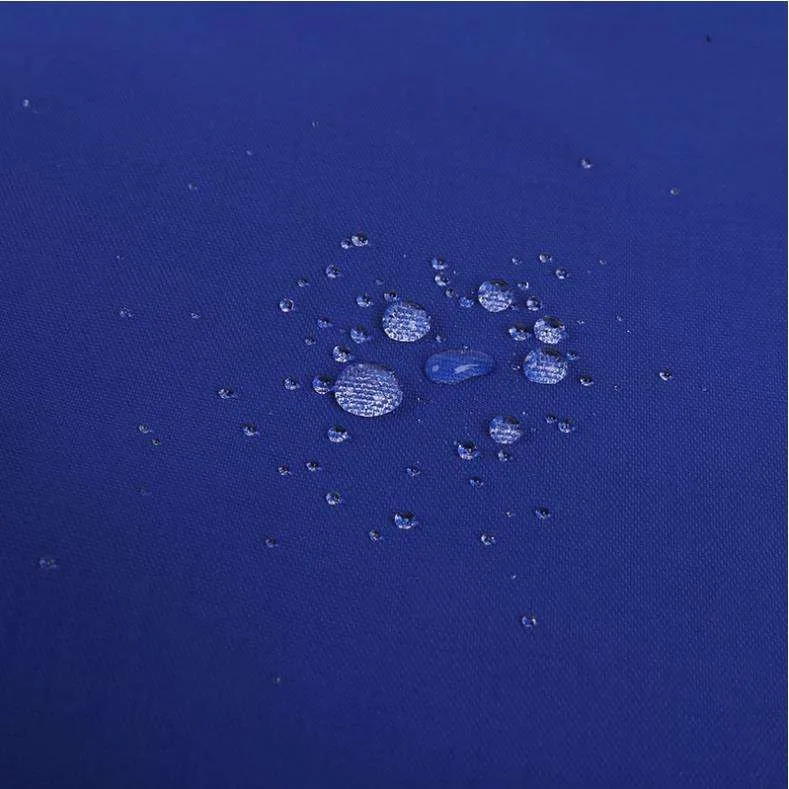
170T, 180T, 190T, 210T, 230T, 240T, 260T, 300T (Poly100%) can be coated with PA, PU, PVC, gold, silver, white, red, black, super water repellent and other post-processing treatments.
features
Because its warp and weft are specially processed. For example, the warp is 20/22D mulberry silk, first add S twist 800T/m, then combine 2 strands and add 2 twists 600T/m; the weft is 20/22D mulberry silk, first add S twist 600T/m, then 3 strands Combined processing twist 600T/m. Then the warp and weft are refined and woven into taffeta. Therefore, the interlacing points of the warp and weft are tight, the gaps are small, and the silk surface is extremely flat, and because the warp and weft are specially processed, the body of the silk is firm and soft. The width and weight of plain, strip, Getaffeta or pagoda silk can be arranged according to needs. Commonly used are 90cm, 13.5m/m, and 100, 114cm, 12, 16m/m, etc. Taffeta is the top grade of women’s dresses, and women in Europe, America and many regions like it very much. However, the production process of taffeta is complicated, the output is not much, and the supply can only be limited, which makes it even more precious and rare.
Taffeta, known as Taffeta in English, originated in France in the 1930s and was later spread to China. Its main production area is Dongwu Silk Weaving Factory in Suzhou. In 1950, the taffeta products of Soochow Factory were exhibited on behalf of China in seven European countries for the first time, causing a sensation in the European market. Western merchants called the taffeta produced by Soochow Factory the “Tafe King”, which shows the excellent quality of Chinese products. From 1955 to 1959, the production and sales of taffeta reached a record high. In 1981, the British royal family ordered 14 pieces of 420 yards dark blue lotus-colored taffeta to make wedding dresses for Princess Diana, and the international market once again set off a wave of taffeta.
Variety category, fabric structure and fabric specification of taffeta
The style characteristics of silk taffeta are “soft and flat, thin and plump”, and the structure is pure silk fine plain and satin. Its series of products include plain taffeta, flower taffeta, flashing color taffeta, striped taffeta, plaid taffeta, printed taffeta, purple cloud taffeta, fluorescent taffeta, wave Taffeta, Dunhuang taffeta, etc.; in terms of use, it can be used to make high-end dresses, fashions, down products, precious embroidered ornaments, special medical filter silk and military silk, etc.
main suit
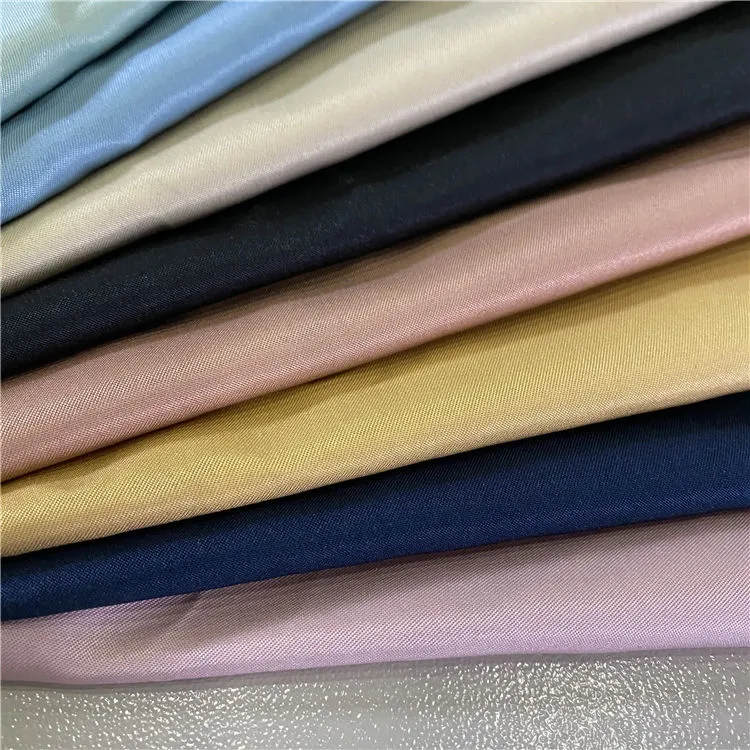
Both silk taffeta and jacquard taffeta have a variety of colors, such as black, white, pink, scarlet, royal blue, camel, rose red and so on.
Processing technology
Since this product is a high-grade cooked all-silk fabric, the process flow is long and complicated, and the weaving requirements are high. It requires the fabric: ① there are very few small defects in the weaving of the silk surface; ② no willow in the warp direction (color willow, buckle willow, etc.); ⑤Good fat and fullness; ⑥The color fastness exceeds grade 3 and the color is bright. Although the structure of the fabric is simple, each process is very strict, so careful design and operation are very important. Its main process flow: [2]
Warp direction: picky raw materials – winding ~ twisting, doubling, twisting ~ self-definition – twisting ~ dyeing – winding – warping – weaving
Weft direction: picky raw materials—winding, twisting—doubling—twisting—customization~twisting~dying, winding—weft winding—weaving
Fabric Finishing
After the taffeta fabric is woven, it needs to go through preliminary inspection, re-inspection, random inspection, finishing, packaging and other post-finishing processes in the finished product workshop, and can only be sold after passing the commodity inspection. The light used in the inspection time is northern light. Inspect according to national standards or sealed sample standards. Finishing processes include trimming and tiding. The repair and sorting should be clean, and the weaving defects should be repaired and perfected as much as possible. Tide must be water-mark-free and eliminate crease marks. When packing the rolls, they should be flat and free of wrinkles, and packed in boxes strictly according to the variety and design and color number.